Case Study: Stabilizing Revenue for a Storm-Driven Roofing Contractor

This case study demonstrates how an established roofing contractor in a competitive, retail-driven market increased inspection volume, improved map pack visibility, and reduced dependency on paid ads by strengthening structured organic authority and aligning messaging with homeowner decision behavior.

Company Overview

Client Profile

  • Established residential roofing contractor
  • Southeast U.S. metropolitan market
  • Three active crews
  • Limited storm-driven revenue spikes
  • Strong reputation but inconsistent organic visibility

Primary Challenge

  • The company relied heavily on paid search and LSAs for lead flow.
  • Retail replacement demand existed, but organic search visibility was inconsistent.
  • Cost per inspection fluctuated
  • Profitability was sensitive to ad spend increases.

The Core Problem

The contractor believed the issue was insufficient ad scale.

After audit, the structural issues were:

  • Underdeveloped local SEO architecture
  • Weak service-area authority depth
  • Inconsistent map pack visibility
  • Website messaging focused on services, not inspection clarity
  • Overreliance on paid acquisition for retail demand

The company had credibility in the market, but its digital authority did not reflect it.

For full vertical context, see:

Strategic Approach

This strategy focused on reducing paid dependency by building structured organic authority.

1. Map Pack and Local Authority Reinforcement

We rebuilt the local SEO hierarchy under the roofing vertical, clarifying service-area structure and reinforcing geographic signals. Review management processes were tightened to improve velocity and consistency.

Map pack stability improved gradually over several months rather than spiking artificially.

Framework reference:

2. Retail Demand Capture

Content and on-page messaging were refined to support retail replacement queries, cost research behavior, and process transparency. Inspection booking was positioned clearly as the first step, reducing homeowner uncertainty.

Retail demand shifted from paid-dominant to mixed organic and paid.

3. Paid Media Optimization Rather Than Expansion

Instead of increasing budget, we restructured campaigns to protect cost efficiency and reinforce branded visibility. Retail-focused campaigns were refined, and wasted spend from broad match volatility was reduced.

Paid became a support layer rather than the primary growth engine.

Paid framework reference:

4. Lead Quality and Intake Refinement

Call tracking clarity and intake scripting adjustments improved inspection booking consistency. Retail leads became more predictable and less dependent on urgency triggers.

Operational framework reference:

Measured Outcomes Over 12 Months

Map Pack Visibility

Significant increase in top three placement consistency for primary service areas.

Organic Inspection Growth

Retail inspection volume increased steadily, reducing reliance on paid traffic.

Cost Per Inspection

Decreased due to increased organic contribution and improved close rate alignment.

Paid Dependency

Reduced share of total inspections from paid channels without reducing total inspection volume.

Revenue Stability

Crew utilization became more predictable month to month, improving operational planning.

Before and After Shift

Before
  • Heavy dependence on paid ads for retail demand
  • Inconsistent map visibility
  • Organic traffic not aligned with inspection bookings
  • Cost per inspection sensitive to CPC increases
After
  • Stronger map pack authority
  • Balanced organic and paid contribution
  • Improved retail inspection predictability
  • Lower vulnerability to ad platform volatility

The shift was not dramatic in a single month. It compounded gradually as authority strengthened.

Why This Case Matters

Not all roofing growth comes from storm spikes.

In competitive metro markets without heavy hail cycles, stability is built through:

  • Local authority reinforcement
  • Retail search dominance
  • Credibility-driven messaging
  • Paid efficiency protection

This case demonstrates that roofing marketing can become an asset rather than an expense when structure replaces dependency.

For the broader proof collection, return to:
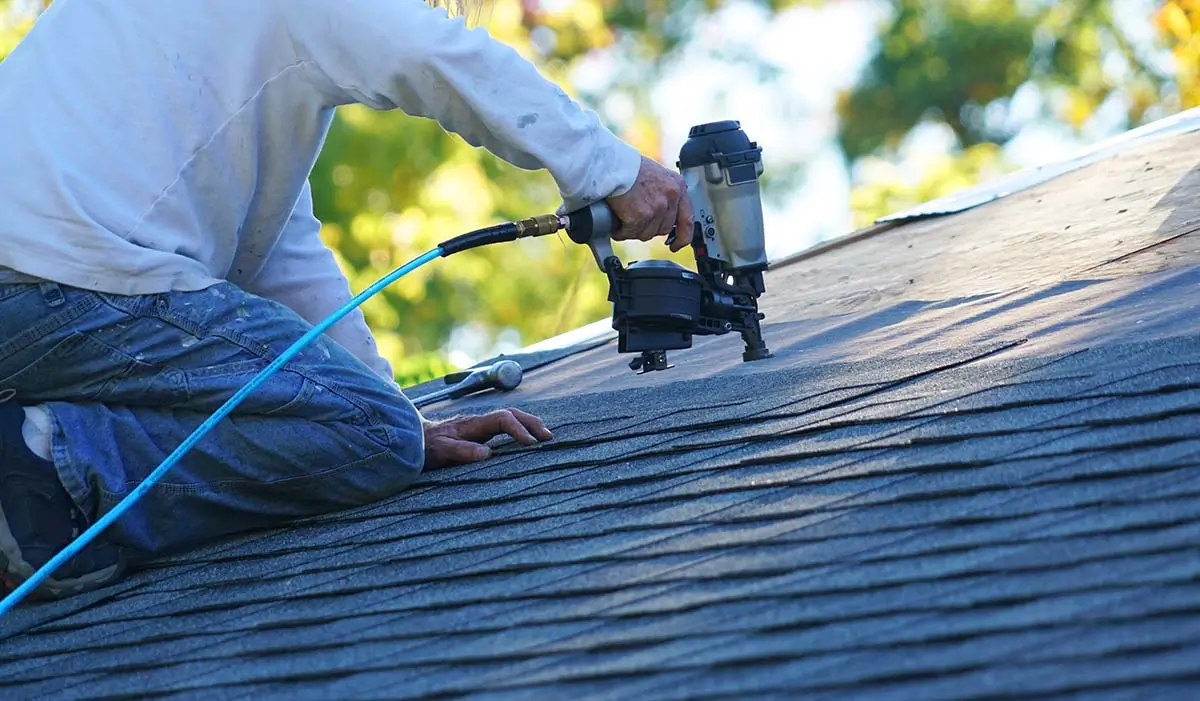
roofing work

Ready to Reduce Paid Dependency and Build Organic Strength?

If your roofing company relies heavily on ads for retail inspection flow, a structured review can identify where organic authority is underdeveloped.

Best for established roofing contractors seeking durable, retail-driven growth.