Jump to…
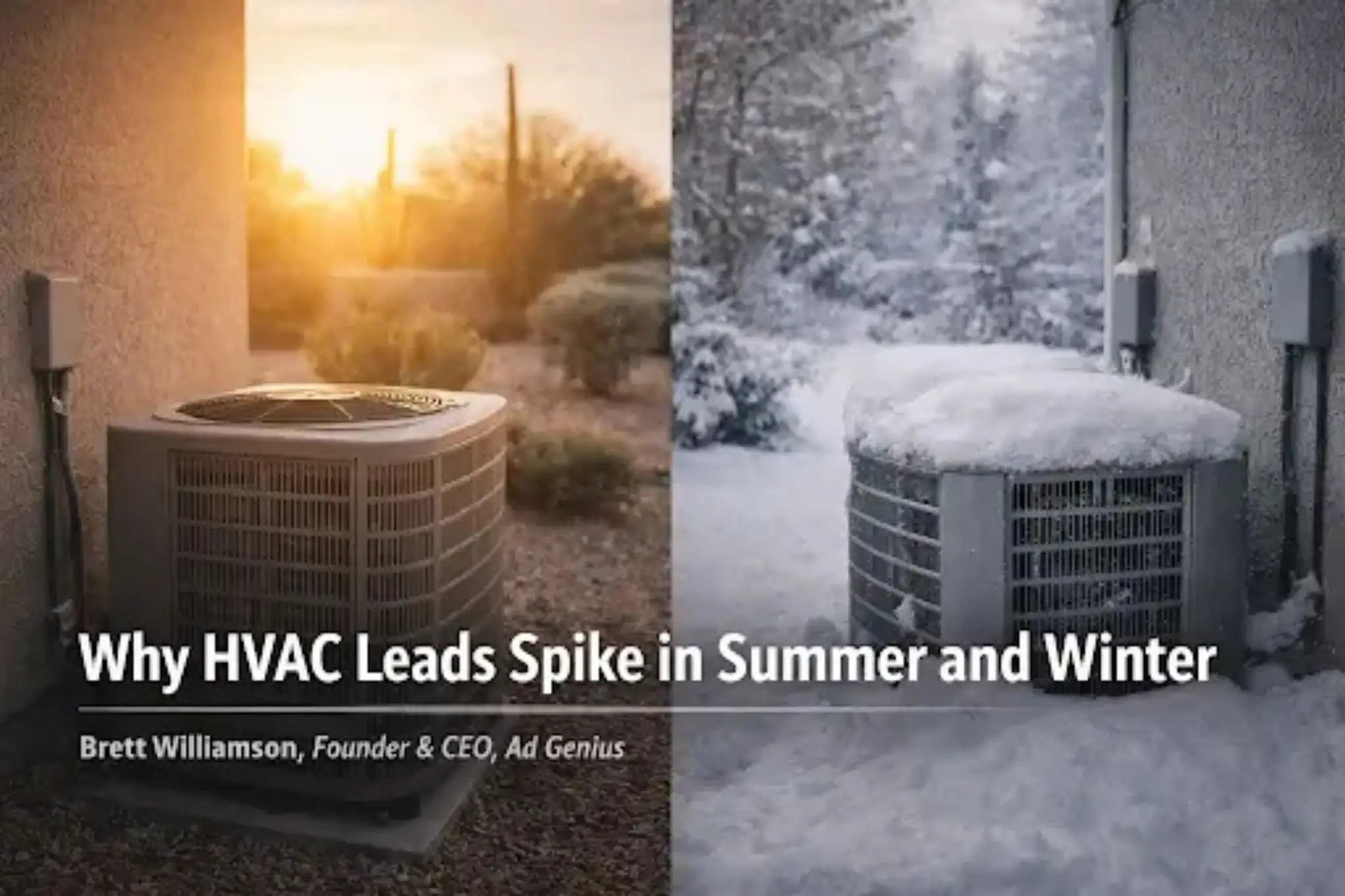
HVAC leads are homeowner inquiries for heating and cooling services that surge during extreme temperatures, when system failures create urgency and homeowners search quickly for repair or replacement.
HVAC leads spike in summer and winter because extreme heat and cold push aging systems to their limits. When air conditioners fail in 100-degree heat or heating systems break during freezing weather, homeowners rarely delay calling a contractor. They search, compare options, and immediately choose a provider.
Cooling demand peaks between May and September, when AC systems may run 14–18 hours per day in heat-driven markets like Phoenix. Heating demand surges from November through February in colder climates.
This seasonality is the core reason HVAC leads spike in summer and winter across most U.S. markets.
Why Summer Drives the Biggest HVAC Lead Surges
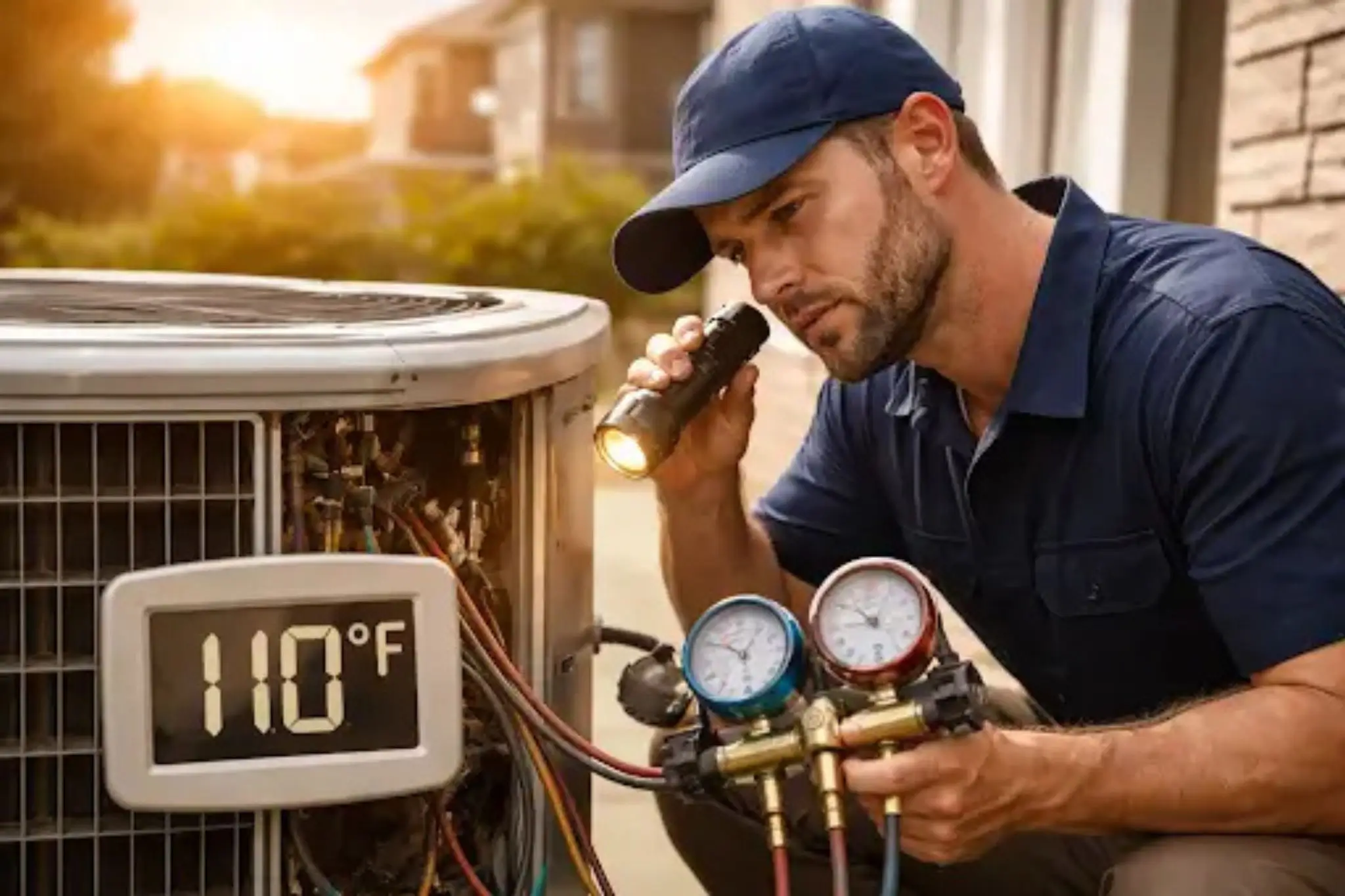
In heat-driven markets like Phoenix, Tucson, Las Vegas, and much of the Southwest and Sun Belt, summer is the primary revenue season for residential HVAC companies. The drivers are mechanical, behavioral, and economic.
System Stress and Failure Under Load
Air conditioning systems work hardest during sustained high temperatures. In Phoenix, where summer highs regularly exceed 110°F, residential cooling systems may run 14 to 18 hours per day for weeks at a time. That sustained load exposes weaknesses in aging systems. Capacitors fail, compressors overheat, and small refrigerant leaks that seemed manageable in spring can turn into full system shutdowns by midsummer.
Because of this, HVAC lead volume does not just rise in summer; it spikes during the most extreme heat waves. The first multi-day stretch above 110°F often produces the largest surge of the season as marginal systems finally fail.
Urgency Changes Buyer Behavior
When an AC system fails in July in Phoenix, the decision timeline collapses. What might normally be a planned purchase becomes an immediate matter of comfort and safety, especially for households with children, elderly residents, or pets. Indoor temperatures in an unventilated home can exceed 100°F within hours.
As a result, homeowners move quickly. Instead of researching contractors for days, they search, compare options, and call within the same hour. Most are looking for three things: availability, trust, and fast service.
If your company does not appear in that search window with strong reviews and a clear way to schedule service, the homeowner simply calls the next contractor.
The Replacement Conversation Follows the Service Call
Many summer service calls lead directly to replacement discussions. When a technician identifies a major failure on a 15-year-old system, the economics shift. A $3,000–$5,000 repair on an aging unit often looks less attractive than replacing the system entirely, which can range from $8,000 to $18,000 depending on system type, efficiency, and home size.
This is where the largest revenue opportunities for HVAC companies exist. The service call gets the technician in the door, but the replacement conversation drives the highest-value jobs. Approval rates are significantly higher when homeowners already trust the company through reviews, reputation, and a professional online presence before the technician arrives.
Why Winter Creates a Second Demand Spike
The winter spike operates on similar mechanics but with different economics and urgency profiles depending on the climate zone.
Heating System Failures Follow the Same Pattern
Furnaces, heat pumps, and heating systems that sat idle for months face the same stress test when temperatures drop. The first cold snap of the season is when dormant problems surface. Ignition failures, heat exchanger cracks, thermostat malfunctions, and blower motor issues all tend to show up within the first sustained cold stretch.
In markets with mild winters, including parts of Arizona, heating demand is less intense but still meaningful. Phoenix homeowners may not face the same urgency as someone in Denver or Chicago, but overnight lows in the 30s and 40s are enough to drive service calls, particularly for heat pump systems and older furnaces that have not been maintained.
Different Urgency, Same Compressed Decision
In cold-climate markets, a furnace failure in January creates the same urgency profile as an AC failure in Phoenix in July. Safety, comfort, and pipe-freeze risk all push homeowners to act fast. In milder markets, the urgency is lower, but the behavioral pattern is the same: search, compare, call.
The difference for HVAC companies is operational. Winter demand in dual-season markets means managing two peak periods per year, each with its own staffing requirements, inventory needs, and marketing positioning. Companies that treat winter as an afterthought often leave significant revenue on the table.
Heating Replacements Carry Higher Average Tickets
In many markets, heating system replacements carry higher average project values than cooling replacements, particularly when furnace-to-heat-pump conversions or dual-fuel systems are involved. This makes winter lead quality potentially higher on a per-job basis, even if total volume is lower than in summer.
For HVAC companies running marketing year-round, this is an important distinction. Winter is not just a secondary season to survive until summer returns. It is a revenue opportunity with its own economics.
What Happens in the Shoulder Seasons and Why It Matters
Spring and fall are when most HVAC companies lose the thread on marketing. Temperatures are moderate, emergency call volume drops, and the instinct is to pull back on spend.
This is the most common strategic mistake in HVAC marketing. The shoulder seasons are not downtime. They are the setup window for the next peak.
Maintenance and Tune-Up Demand Lives Here
Spring is when AC tune-ups should be happening. Fall is when heating inspections make sense. These are lower-ticket services, but they serve three critical business functions. First, they generate revenue during otherwise slow periods. Second, they put your techs inside homes where aging systems can be flagged for replacement before they fail. Third, they build customer relationships that drive repeat business and referrals.
HVAC companies that market maintenance aggressively during shoulder seasons smooth their revenue curve and reduce their dependency on emergency-driven demand during peaks.
This Is When Marketing Infrastructure Should Be Built
The worst time to fix your website, launch new ads, or rebuild your Google Business Profile is when the phones are already ringing. Every hour spent on marketing during peak season is an hour not spent on billable work.
Shoulder seasons are when visibility should be built. Review campaigns should ramp up before the rush. Website conversion paths should be tested while call volume is manageable. SEO content should be published early, so it has time to index and build authority before the next demand surge.
This is where a structured digital marketing strategy for HVAC companies matters. When reviews, search visibility, and conversion systems are already in place, your business is positioned to capture demand the moment homeowners start searching.
The HVAC companies that dominate seasonal demand spikes are the ones that prepare during the off-season. Over time, that preparation becomes a structural advantage.
Why Marketing During Peak Season Alone Does Not Work

Many HVAC companies run into the same problem. They see leads spike in summer and increase ad spend in June. Leads come in, but the operation becomes chaotic. Close rates drop, cost per acquisition rises, and the team struggles to keep up with follow-ups.
The issue is not the leads. The issue is timing.
Visibility Takes Time to Build
SEO rankings, Google Business Profile authority, and review volume do not appear overnight. A company that starts investing in organic visibility in June will not see meaningful results until fall. By then, the summer demand window will have already passed.
Paid ads can generate immediate traffic, but traffic alone does not guarantee conversions. Without strong reviews, a credible website, and clear booking paths, that traffic converts at a lower rate and at a higher cost.
Running ads without that foundation is one of the most common ways HVAC companies waste marketing budget.
Capacity Limits Peak Season Growth
Even when marketing generates more leads, operational capacity sets the real limit. If your team can handle 40 service calls per week and marketing drives 70, the result is not higher revenue. It results in longer wait times, missed calls, lower close rates, and frustrated homeowners.
This creates seasonal whiplash. Instead of strengthening the business, excess demand damages the customer experience and pushes potential customers to competitors.
The Order of Operations Matters
Successful HVAC companies follow a clear sequence.
Visibility first. Credibility next. Then demand amplification.
Search visibility builds awareness. Reviews and reputation establish trust. Marketing campaigns then amplify demand once the foundation is ready.
Companies that capture the most value during seasonal demand spikes are those that follow this sequence months before the spike arrives.
What a Year-Round HVAC Marketing Strategy Actually Looks Like
Seasonal demand spikes are predictable. That is the opportunity. Unlike storm-driven trades, where lead surges are unpredictable, HVAC companies know exactly when demand will rise. The question is whether they use that predictability to prepare or continue reacting.
Spring: Build and Position
March through May is the critical preparation window. This is when AC tune-up campaigns should be running, review generation should accelerate, website updates and conversion optimizations should be completed, and SEO content supporting the summer cluster should be indexed and gaining traction. Paid campaigns can be tested at lower CPCs before competition heats up.
Summer: Capture and Convert
June through September is when the infrastructure built in spring pays off. Organic visibility is established. Review volume supports trust. The website is ready to handle high-intent visitors. Paid ads amplify what is already working rather than trying to build from scratch.
The operational focus during summer should be on conversion, response time, and close rates, not on building marketing foundations.
Fall: Reset and Prepare
October and November are the second shoulder season. Heating tune-up campaigns replace cooling. Marketing infrastructure gets reviewed and adjusted based on summer performance data. This is also when budget planning for the next year should incorporate lessons learned.
Winter: The Second Peak
December through February is the heating demand window. Companies that are prepared in the fall capture this demand. Those that did not are back in reactive mode, repeating the same cycle.
A year-round strategy does not mean spending the same amount every month. It means that every month has a purpose tied to the seasonal cycle, and no month is wasted.
Frequently Asked Questions
Why do HVAC leads spike in summer?
HVAC leads spike in summer because sustained high temperatures push air conditioning systems past their limits. Compressor failures, capacitor burnouts, and refrigerant leaks that were manageable in mild weather become full system shutdowns when units run 14 to 18 hours per day. The resulting urgency compresses buyer decision timelines from days to hours, creating a concentrated surge of high-intent search and call activity.
Why do HVAC leads increase in winter?
Heating system failures follow the same pattern as cooling failures. Furnaces and heat pumps that sat dormant for months face their first real stress test during the initial cold snap. Ignition failures, heat exchanger issues, and thermostat malfunctions surface quickly, driving emergency service calls. In cold-climate markets, the urgency mirrors summer AC failures. In milder climates, the volume is lower, but the lead quality can be strong, especially for replacement conversations.
When should HVAC companies start marketing for summer?
The preparation window is spring, roughly March through May. This is when SEO content should be indexing, review generation should be accelerating, website conversion paths should be tested, and paid campaigns should be in testing phases at lower competition levels. Waiting until June to start means competing at higher costs with less established visibility.
Is winter HVAC marketing worth the investment?
Yes, particularly in markets with meaningful heating demand. Heating system replacements often carry higher average project values than cooling replacements, especially when heat pump conversions or dual-fuel systems are involved. Even in milder markets like Phoenix, winter service and maintenance demand creates revenue that offsets seasonal slowdowns and feeds the replacement pipeline.
What are shoulder seasons in HVAC and why do they matter for marketing?
Shoulder seasons are the transitional periods between peak demand, typically spring (March through May) and fall (October through November). They matter because this is when maintenance and tune-up demand lives, when marketing infrastructure should be built and tested, and when the groundwork for the next peak gets laid. Companies that go quiet during shoulder seasons lose the structural advantage that drives peak season performance.
Why do HVAC companies waste money on summer ads?
The most common reason is timing. Companies that start advertising in June are entering the most competitive and expensive window without established organic visibility, review authority, or conversion infrastructure. Ads drive traffic, but without those supporting elements, conversion rates are lower and cost per acquisition is higher. The result is high spend with disappointing returns.
How does seasonality affect HVAC lead quality?
During peak seasons, lead volume increases but so does the mix of low-quality inquiries, including price shoppers, renters without decision-making authority, and homeowners with unrealistic timelines. Companies that rely solely on volume metrics miss this dynamic. Effective marketing during seasonal spikes focuses on filtering for quality and aligning messaging with the type of buyer most likely to convert into profitable service or replacement work.
Should HVAC companies market year-round?
Yes, but not at the same intensity every month. A year-round strategy means every month has a purpose tied to the seasonal cycle. Spring is for building and positioning. Summer is for capturing and converting. Fall is for resetting and preparing. Winter is the second demand peak. The budget can flex, but the strategic thread should never go dark.
What makes HVAC marketing different from other home service marketing?
HVAC marketing is distinguished by its bimodal seasonality, the split between emergency and planned demand, the operational complexity of managing two peak periods per year, and the high-ticket replacement opportunity embedded inside service calls. Unlike trades driven by weather events or aesthetic decisions, HVAC demand is tied directly to temperature, system age, and mechanical failure, which makes it more predictable but also more operationally demanding to capitalize on.
Turn Seasonal Demand Into Predictable Growth
Most HVAC companies try to scale marketing when the phones are already ringing. By that point, competition is higher, advertising costs rise, and operations are already stretched.
If you want to see where your current marketing strategy may be limiting growth, schedule a strategy call with Ad Genius. We’ll review your visibility, review profile, and lead flow so you know exactly what to improve before the next demand spike.