Painting Contractor Paid Media Strategy
Ad Genius builds paid media strategies for painting contractors that capture estimate requests from qualified buyers while protecting cost efficiency in markets where low-cost competitors drive CPC inflation and estimate shopping is the norm. Our approach structures Google Ads, Local Services Ads, and retargeting around the realities of painting buyer behavior: comparison-driven research, visual evaluation, and the trust threshold that determines whether an estimate request becomes a signed contract.
Paid Media in Painting Is Efficient Only When Credibility Is Already Strong
Painting contractors often turn to paid ads when the schedule feels light or a new season is approaching. The expectation is straightforward: spend money, get estimate requests, book projects.
The reality is more nuanced. Painting buyers who click an ad do not call immediately. They land on your website and evaluate. They check your portfolio. They read your reviews. They compare your presentation to the two or three other painters they are also considering. If your website is thin, your portfolio is weak, or your reviews are sparse, the ad generated a click but the website lost the lead.
In painting, paid media is only as effective as the destination it sends traffic to. A $5 click that lands on a strong, visual, trust-building experience can produce a $6,000 project. The same click landing on a generic homepage with no portfolio produces nothing. Cost per click is not the variable that determines ROI. Conversion rate is. And conversion rate in painting is driven by credibility, proof, and professionalism.
For broader vertical context, see Digital Marketing for Painting Contractors
Seasonal Dynamics in Painting Paid Media
Painting demand follows a seasonal curve driven by weather and buyer behavior. Exterior painting searches peak in spring and early summer when weather permits. Interior painting is less seasonal but tends to increase during fall and winter when homeowners shift focus indoors. Overall search volume and competition increase significantly from March through September in most markets.
During peak painting season, every contractor in the market increases ad spend simultaneously. CPCs rise. Impression share becomes harder to maintain. And the buyers clicking your ads are comparing you against more competitors than during slower months.
A disciplined painting paid media strategy accounts for this. It builds campaigns early, before peak competition arrives, so that quality scores and account history are established. It does not simply raise budgets when the season starts. It adjusts messaging, targeting, and landing page emphasis to match the specific demand type that peaks at each point in the season.
Residential Campaigns vs. Commercial Campaigns
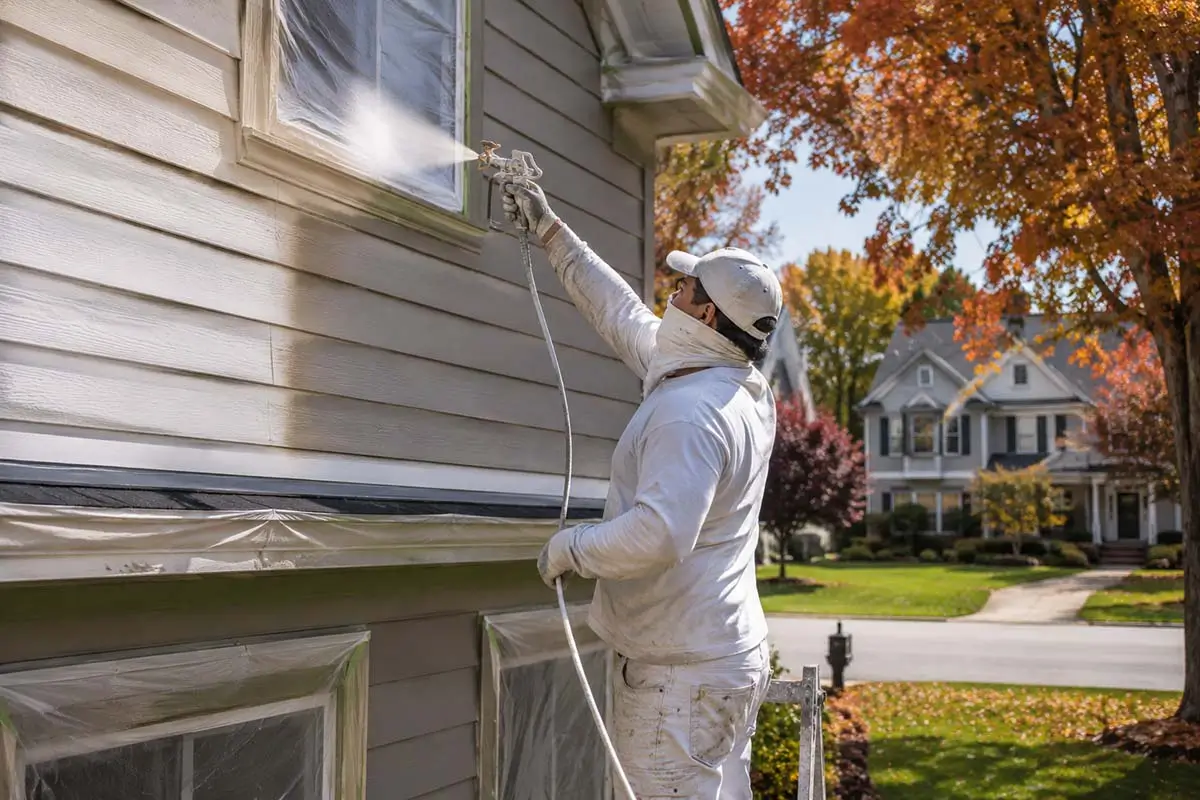
Painting companies that serve both residential and commercial clients must segment their campaigns. These buyer types search for different terms, evaluate different criteria, and convert through different processes.
Residential Campaign Structure
Residential campaigns target homeowners searching for interior and exterior painting services. Keywords include service-type terms (“interior painting,” “exterior house painting”), geographic modifiers (“painters near me,” “painting company [city]”), and cost-research queries (“cost to paint a house exterior”).
Residential landing pages must be visual and trust-focused. Portfolio examples, review highlights, process descriptions, and clear next steps for requesting an estimate are essential. The homeowner is comparing you against multiple options and making a judgment about professionalism within seconds of landing on the page.
Commercial Campaign Structure
Commercial campaigns target a different audience entirely. Property managers, HOA management companies, and facility operators search for terms like “commercial painting contractor,” “HOA painting company,” and “apartment painting services.” These searches carry higher project values but lower volume.
Commercial landing pages must communicate capacity, insurance coverage, scheduling flexibility, and experience with multi-unit or multi-phase projects. A commercial buyer does not care about your residential portfolio. They care about whether your crew can paint 24 apartment units without disrupting tenants and whether your insurance covers a $50,000 project.
Running residential and commercial through the same campaign with the same landing page dilutes performance for both. Segmentation allows budget, messaging, and conversion to be optimized independently.
Local Services Ads for Painting Contractors
Local Services Ads appear above standard search results and carry the Google Guaranteed badge. For painting contractors, LSAs can produce high-quality estimate requests because they connect you with homeowners who are actively searching and ready to call.
LSA performance in painting is tied directly to review volume, recency, and responsiveness. The painting contractors who perform best on LSAs are the ones who generate reviews consistently, respond to inquiries quickly, and maintain high responsiveness scores. A company with 150 reviews and a 95% response rate will outperform a company with 50 reviews and a 70% response rate, regardless of budget.
LSA lead quality can be variable. Not every call is a qualified estimate request. Dispute processes exist for calls that are spam, outside your service area, or unrelated to painting. Active LSA management, including prompt dispute submission and regular performance review, is necessary to maintain cost efficiency.
Protecting Cost Efficiency Against Low-Cost Competitors
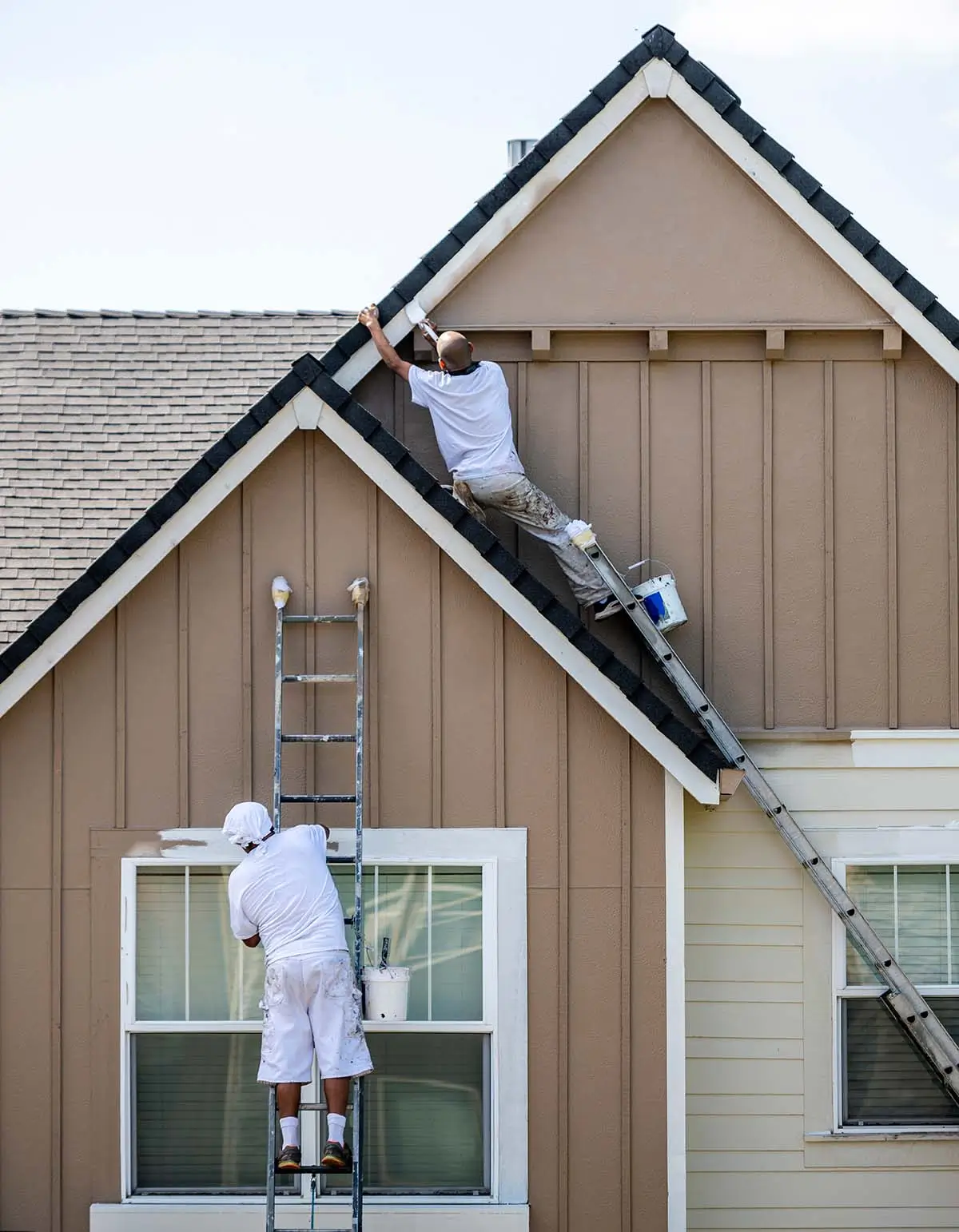
One of the most frustrating dynamics in painting paid media is competing against low-cost operators who drive up CPCs while offering a different product entirely. Unlicensed painters, one-person operations, and budget services bid on the same keywords you do, inflating costs for everyone.
Protecting efficiency requires two strategies. First, keyword targeting must be specific enough to attract serious buyers rather than price shoppers. Terms that include quality signals, specific project types, or professional language tend to attract buyers who value what an established painting company offers. Second, the landing experience must immediately communicate that you are not the budget option, which actually filters out the price-only buyers before they submit a request, improving close rates on the estimates you do deliver.
Paid media performance in painting must be evaluated against cost per booked project, not cost per estimate request. A $40 estimate request that closes at 35% is more valuable than a $20 request that closes at 10%.
Integrating Paid Media With Crew Capacity
Painting marketing fails when paid media generates demand that crews cannot absorb. Long lead times for estimates, delayed project starts, and crew scheduling gaps all erode the trust that marketing built.
Campaigns should scale with crew availability. When the schedule is filling up, budgets can be moderated rather than continuing to generate estimate requests that will be delivered three weeks late. When a crew becomes available or a new crew is added, campaigns can increase in the geographic areas where that capacity exists.
Paid media should support operational planning, not create scheduling chaos.
Ready to Strengthen Your Painting Paid Media Strategy?
If estimate requests feel low-quality, close rates are disappointing, or ad costs are rising without proportional revenue growth, a focused review can identify where paid strategy is misaligned.
Best for established painting contractors ready to align paid media with profitable growth.