
Jump to…
- What Is SEO?
- What Is PPC?
- What Is the Difference Between SEO and PPC?
- How Is Ranking Different When Comparing PPC vs SEO?
- SEO vs PPC: Pros and Cons
- Is PPC Harder Than SEO?
- SEO vs PPC: Which Is Better for Your Business Goals?
- Use SEO and PPC Together for the Best Results
- SEO vs PPC for Local Service Businesses
- Common SEO vs PPC Myths
- Final Thoughts
- Frequently Asked Questions
- Need Help Deciding Between SEO and PPC?
- About the Author: Brett Williamson
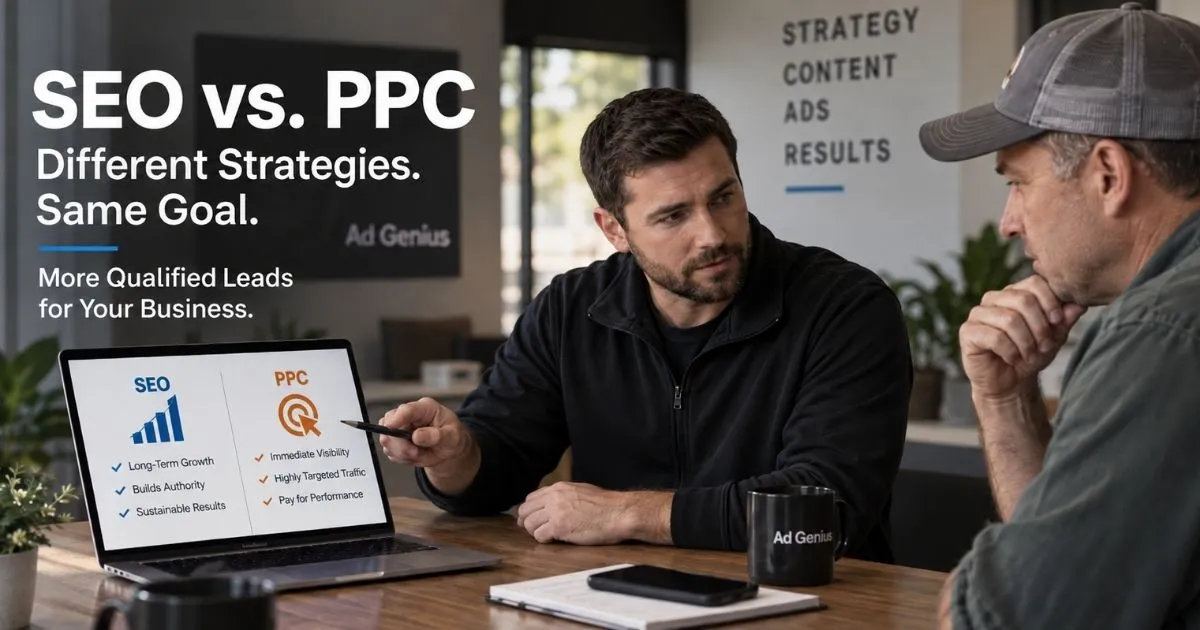
SEO earns organic rankings over time through content, technical optimization, and backlinks. PPC buys immediate visibility through paid ads on platforms like Google Ads. SEO produces compounding traffic with no cost per click. PPC produces immediate traffic that stops the moment the budget stops. Most established businesses see the strongest results running both together, using PPC for immediate leads while SEO builds durable, long-term visibility.
In this guide, you’ll learn what SEO and PPC are, how their rankings differ, the pros and cons of each, and how to decide which strategy makes the most sense for your business. If you own a service business in a competitive local market, the best approach is often knowing which one to prioritize first and when to add the other.
What Is SEO?
SEO, or search engine optimization, is the practice of improving a website so it earns visibility in organic search results, the unpaid listings that appear below or alongside paid ads. Nobody pays Google directly for an organic ranking. Rankings come from relevance, quality, and trust signals that build over time.
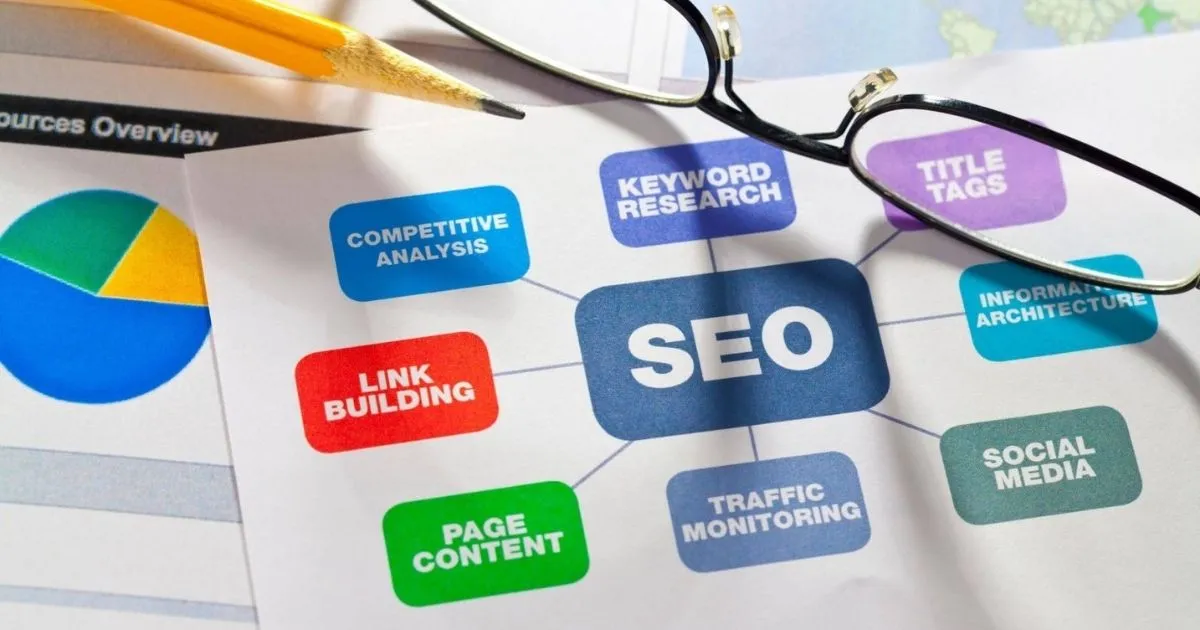
Google evaluates many factors before deciding which pages deserve the top spots. The core factors include:
- Content quality and relevance to the searcher’s intent
- Technical SEO, including site speed, mobile usability, and crawlability
- Backlinks from other credible websites
- Local SEO signals, including your Google Business Profile and local citations
- User experience, including how visitors interact with your site once they arrive
SEO is a system of earning visibility rather than renting it. A well-optimized service page can keep generating traffic and leads for years without an ongoing per-click cost.
What Is PPC?
PPC, or pay-per-click advertising, lets a business pay to appear at the top of search results immediately. Instead of earning a position through relevance and authority built over months, you bid for placement and pay each time someone clicks your ad.
PPC covers several platforms and ad formats, including:
- Google Ads, the largest paid search platform
- Bing Ads, which reaches a smaller but still meaningful search audience
- Local Service Ads, built specifically for service businesses and priced per lead
- Shopping Ads, used primarily by ecommerce and retail businesses
PPC is the fastest way to put your business in front of someone actively searching for what you offer, but that visibility exists only as long as the budget behind it does.
What Is the Difference Between SEO and PPC?
The core difference between SEO and PPC comes down to how visibility is obtained and how long it lasts. SEO earns a position in the unpaid results through relevance and authority. PPC buys a position in the paid results through a bid, and that position disappears the moment spending stops.
| SEO | PPC |
| Organic rankings, earned through content and optimization | Paid ads, placed through a bid auction |
| Takes weeks to months to build momentum | Live within hours of launch |
| No cost per click | Pay per click, every click |
| Long-term asset that keeps producing traffic | Traffic stops when the budget stops |
| Builds compounding authority over time | Generates leads on demand, tied to spend |
SEO builds long-term visibility that compounds. PPC buys immediate visibility that requires continuous investment to maintain. Neither approach is inherently better. They serve different timelines and different goals.
How Is Ranking Different When Comparing PPC vs SEO?
Even though both SEO and PPC determine who shows up at the top of a search results page, the mechanics behind each ranking system are completely different.
How Organic Rankings Work
Organic rankings are determined by Google’s algorithm, which evaluates hundreds of signals to decide which pages best answer a searcher’s query. The factors that matter most include:
- Relevance of the page content to the search query
- Overall content quality and depth
- Backlinks from trustworthy, relevant websites
- Technical SEO health, including site speed and mobile performance
- User experience signals, including how long visitors stay and whether they find what they need
How PPC Ad Rank Works
PPC positioning is determined by Ad Rank, a formula that combines your bid amount with a Quality Score. Quality Score itself is built from several factors:
- Bid amount, or what you are willing to pay per click
- Expected click-through rate, based on how often similar ads get clicked
- Ad relevance to the search query
- Landing page experience, including relevance, load speed, and usability
A higher bid alone does not guarantee the top ad position. A competitor with a lower bid but a stronger Quality Score can outrank a business that is simply spending more.
SEO vs PPC: Pros and Cons
SEO Pros and Cons
SEO’s biggest advantage is that it can keep bringing in traffic without paying for every click, making it one of the best long-term marketing investments. Once a page earns strong rankings, it can continue attracting visitors and building trust for months or even years. People also tend to trust organic search results more than ads, so SEO often brings in leads who are already interested in your business. Over time, this can lower your cost of getting new customers.
The downside is that SEO takes time. It usually takes several months to see meaningful results, especially in competitive local markets. It also requires ongoing work. Search engines update their algorithms, competitors publish new content, and rankings can drop if you don’t regularly update and maintain your website.
PPC Pros and Cons
PPC’s biggest advantage is speed. You can launch a campaign and start getting clicks within hours, making it one of the fastest ways to reach people actively searching for your services. It also gives you strong control. You can target specific keywords, locations, and audiences, making it easy to test new offers, adjust your messaging, and increase or decrease your budget as needed. This makes PPC especially effective for promotions, seasonal campaigns, or new businesses that need visibility quickly.
The downside is that results only last while you’re paying for them. Once you stop running ads, the traffic and leads stop too. Click costs can also become expensive in competitive industries, and campaigns need regular management to stay effective. Without ongoing adjustments to bids, keywords, and ad copy, you can easily waste your advertising budget.
Is PPC Harder Than SEO?
PPC is easier to launch. SEO is harder to sustain. The bigger difference isn’t which one is harder; it’s that each requires a different skill set and approach.
PPC requires ongoing attention to:
- Keyword research and negative keyword management
- Bidding strategy and budget allocation
- Ad copywriting and testing
- Conversion tracking
- Continuous campaign optimization
SEO requires sustained effort across:
- Content strategy built around real search intent
- Technical improvements to site speed and structure
- Backlink development
- Local optimization, including Google Business Profile management
- Patience, since results build gradually rather than overnight
Neither one is harder than the other. PPC requires regular management to keep costs under control and campaigns performing well. SEO takes more time and consistent effort to build rankings and maintain them over the long term.
SEO vs PPC: Which Is Better for Your Business Goals?
Choose SEO to Build Long-Term Growth
SEO tends to be the right starting point if your goal is sustainable, compounding growth. It is also a better fit for businesses with a limited advertising budget, since the traffic it produces costs nothing per click once a page ranks.
Over the long run, SEO produces a lower cost per lead than paid channels, which makes it especially valuable for businesses planning to compete in their market for years.
Choose PPC to Generate Leads Fast
PPC makes more sense when you need leads immediately, whether that means the schedule has open slots this week or a new service just launched and needs visibility before organic rankings can build.
It is also the better choice when you have an advertising budget now and want to test which offers, keywords, or messaging convert before committing to a longer-term SEO strategy built around them.
Use SEO and PPC Together for the Best Results
Running both channels together makes sense for businesses growing aggressively or competing in a saturated local market, where owning more of the search results page, paid and organic, translates directly into more calls. PPC can generate leads immediately while SEO builds momentum in the background, so the business is not waiting months for its first result.
SEO and PPC complement each other. PPC fills the gap while SEO is still building momentum, and the data from PPC campaigns, including which keywords convert, often sharpens SEO strategy in return.
SEO vs PPC for Local Service Businesses
For local service businesses, including roofing, HVAC, plumbing, and remodeling companies, the SEO versus PPC decision has real operational stakes. A slow month is not an abstract metric. It is technicians without jobs and a schedule with open slots.
SEO captures ongoing searches in your market every day, from homeowners researching a remodel to someone comparing HVAC companies before a replacement. PPC helps fill the calendar quickly when demand needs an immediate boost, such as after a storm or during a seasonal slowdown.
Local SEO, including an optimized Google Business Profile, is often the highest-leverage starting point for a local service business, since it influences both map pack visibility and the trust signals customers check before they call.
Common SEO vs PPC Myths
SEO and PPC are often misunderstood, and it’s easy to come across advice that isn’t entirely accurate. Let’s clear up some common myths so you can make more informed marketing decisions.
- “SEO Is Free”: SEO doesn’t charge you for every click, but it isn’t free. It takes time, quality content, technical improvements, and ongoing optimization to earn and keep strong rankings.
- “PPC Guarantees Sales”: PPC can get your business in front of potential customers, but it doesn’t guarantee sales. Conversions still depend on your offer, your landing page, and how quickly you follow up with leads.
- “SEO Is Dead”: Despite frequent claims, SEO is far from dead. Organic search still drives valuable traffic for local businesses. While search engines have evolved, SEO remains effective when you create helpful, high-quality content.
- “Ads Always Outperform Organic Results”: Paid ads and organic listings each have their strengths. While ads provide immediate visibility, many people trust organic search results more, especially when researching local businesses.
- “Small Businesses Only Need SEO or PPC”: Many small businesses start with one strategy because of budget, but the strongest long-term approach often includes both. SEO builds lasting visibility, while PPC helps generate leads when you need results quickly.
Understanding these common misconceptions makes it easier to choose the right marketing strategy for your business. SEO and PPC each have a place, and knowing how they work together can help you get better results from your marketing budget.
Final Thoughts
SEO builds long-term visibility. PPC delivers immediate traffic. The best strategy depends on your goals, timeline, competition, and budget, and no single answer applies to every business.
Most growing businesses achieve the strongest results by combining both rather than choosing one permanently. The businesses that struggle are usually the ones that pick a channel once and never revisit whether it still matches where the business is today.
Frequently Asked Questions
Is SEO Better Than PPC?
Neither is universally better. SEO delivers stronger long-term value and a lower cost per lead, while PPC delivers faster results when you need leads immediately. The right choice depends on your timeline, budget, and current visibility.
Can SEO and PPC Work Together?
Yes. Many businesses run PPC to generate leads while SEO builds momentum, then shift budget toward SEO as rankings mature. Running both also gives you more space on the results page at once.
Does PPC Help SEO Rankings?
PPC does not directly affect organic rankings. Google does not factor ad spend into how pages rank. It does offer indirect benefits, though, including more brand awareness, better keyword data, and insight into which pages actually convert.
Which is more cost-effective?
SEO is generally more cost effective long term, since ranked pages carry no per-click cost. PPC is more cost-effective in the short term when you need a fast, measurable return on a specific campaign or promotion.
Which Gets Results Faster?
PPC wins on speed, often producing clicks within hours of launch. SEO takes longer, usually weeks to months, since results depend on competition, current visibility, and how consistently new content is published.
Should Small Businesses Invest in SEO or PPC First?
Businesses with limited budget and time often start with SEO for its long-term value. Businesses that need leads immediately, or are entering a new market, often start with PPC instead. Many eventually run both once budget allows.
Need Help Deciding Between SEO and PPC?
Every business has different goals, competition, and budgets. The right strategy depends on where your business is today and where you want to grow. At Ad Genius, we take the time to understand your market before recommending a solution, so you can invest in the channels that will deliver the greatest return.
Schedule a free strategy consultation with Ad Genius and discover whether SEO, PPC, or a combination of both is the right fit for your business.