Jump to…
- Why Large HVAC Franchises Are Hard to Compete With
- Where Independent HVAC Companies Can Win
- Build a Stronger Local SEO Foundation
- Create Service Area Pages That Franchises Cannot Fake
- Win the Review Battle With Better Reputation Management
- Use Google Ads More Efficiently Than Big Franchises
- Make the Customer Experience Feel More Personal
- Build Offers That Feel Local, Not Corporate
- Use Content to Build Authority Before the Customer Calls
- Improve Speed to Lead
- Track What Actually Produces Revenue
- Common Mistakes HVAC Companies Make When Competing With Franchises
- How Local HVAC Companies Outperform Franchise Competitors
- Frequently Asked Questions
- Ready to Compete With Larger HVAC Franchises?
- About the Author: Brett Williamson

Independent HVAC companies compete with large franchises by building stronger local authority, optimizing their Google Business Profile and service area pages for specific markets, earning recent detailed reviews, running tighter Google Ads campaigns, and responding faster to inbound leads. Franchise brands have bigger budgets and broader name recognition, but they cannot replicate the local trust, community presence, and responsiveness an established independent contractor builds over time.
Large HVAC franchises often have recognizable names, polished national websites, call centers, and ad budgets most independent contractors cannot match. But competing against them is not about spending dollar for dollar. It is about winning where local relevance matters most.
Independent HVAC companies can compete by becoming the more trusted, visible, and responsive choice in the service areas they already know. This guide covers the strategies that matter most: local SEO, service area pages, reviews, Google Ads, customer experience, and lead tracking.
Why Large HVAC Franchises Are Hard to Compete With
Franchise HVAC brands have genuine structural advantages. Bigger ad budgets allow them to bid aggressively on competitive search terms. Recognizable names reduce the credibility gap a homeowner has to cross before making contact. Standardized sales systems and call centers help them handle demand more consistently across markets.
| Franchise Advantage | Why It Matters |
| Bigger ad budgets | They can outbid independent contractors on high-volume HVAC keywords |
| Brand recognition | Homeowners may already associate the name with reliability before the search begins |
| Review volume | A larger review count can improve visibility and perceived trust in search results |
| Call center handling | Franchises often answer more calls during peak demand periods |
| Multi-location SEO | They can build search authority across multiple markets simultaneously |
| Standardized offers | Financing, maintenance plans, and discounts are packaged clearly and promoted consistently |
These advantages are real. They are not, however, unbeatable. Large franchise operations trade local specificity for scale. That trade creates consistent gaps that independent contractors are positioned to fill.
What Private Equity Consolidation Changed About the Competition
Many national HVAC companies competing in local markets today are not traditional franchises. A lot of them are private equity rollups, which means regional HVAC companies have been acquired, combined, and placed under a shared brand or management system. That difference matters because rollups often create weaknesses that independent contractors can use to their advantage.
One common issue is technician turnover. When a company is acquired and standardized, the local culture that kept experienced technicians loyal can change quickly. Pricing can also become more aggressive because PE-backed companies are often expected to meet growth and return targets that independent owners do not face in the same way.
The customer experience can change too. Service calls may become more scripted so the company can create the same process across multiple markets. That may help with consistency, but it can also reduce the personal judgment experienced technicians use to diagnose problems correctly and recommend the right solution.
Some rollup companies may also have preferred manufacturer relationships that influence which equipment gets recommended. An independent HVAC contractor can turn that into a clear advantage by showing homeowners that they evaluate all major equipment brands and recommend what fits the home, system, budget, and long-term comfort needs.
This is where independent HVAC companies can position themselves clearly. Large rollups may have size, but local contractors can win on technician continuity, honest recommendations, multi-brand expertise, and personal accountability. Those are areas where the rollup model is often weaker, and the independent contractor is naturally stronger.
Where Independent HVAC Companies Can Win
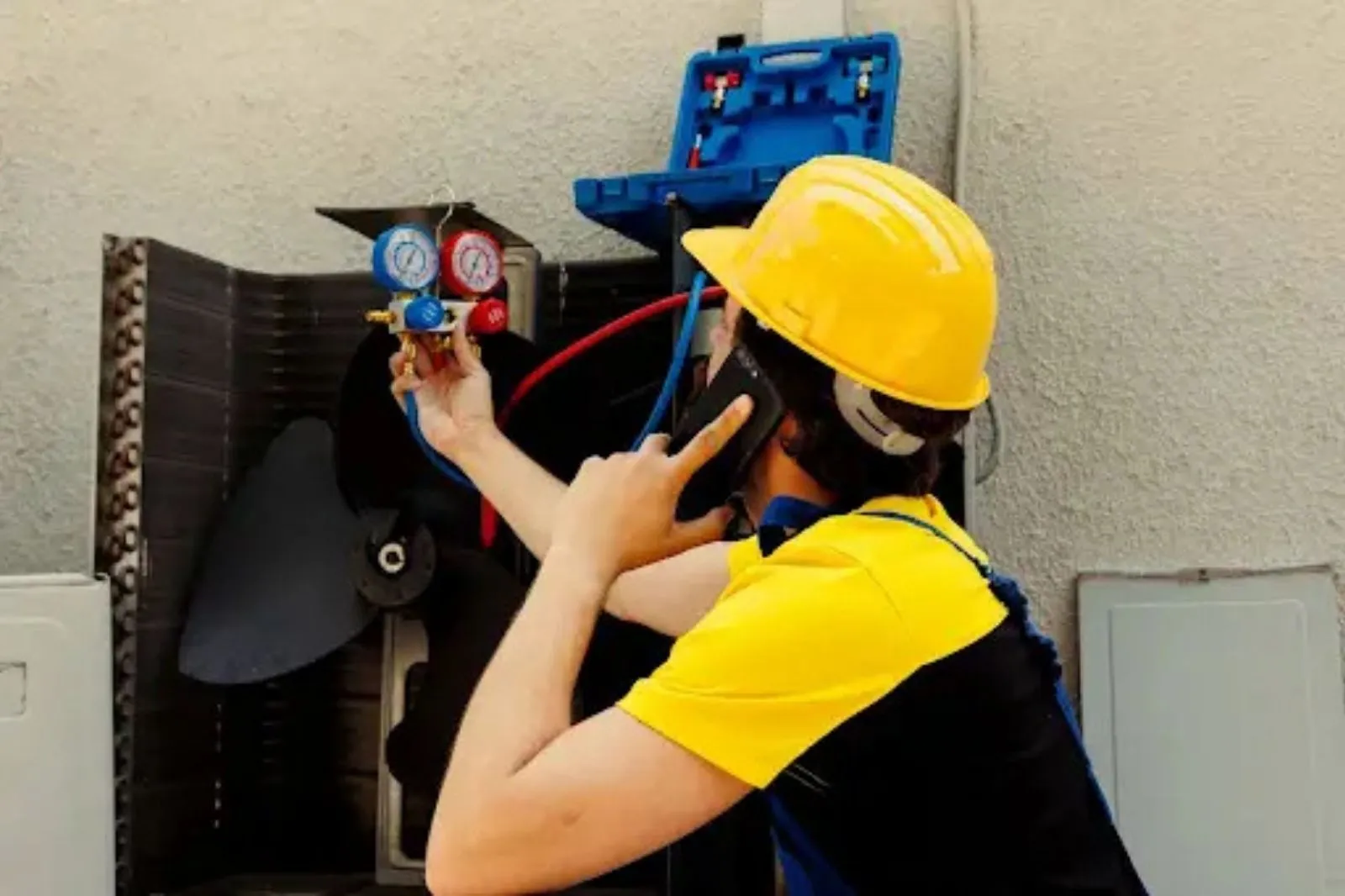
Independent HVAC companies can beat large franchises by being more locally relevant, more personally accountable, and more responsive. Homeowners often choose local contractors when they see strong reviews from their own neighborhoods, real technician profiles, faster call response times, honest repair recommendations, and service content that reflects genuine knowledge of local systems and conditions.
Large franchise brands often struggle to replicate those signals authentically. They use templated city pages, generic marketing language, and call centers that homeowners quickly recognize as impersonal. That creates a consistent opening for independent operators who present themselves well online.
| Local HVAC Advantage | How It Helps |
| Local knowledge | More relevant messaging for the actual service area and climate conditions |
| Personal accountability | Homeowners feel like they know who they are hiring and who shows up at the door |
| Faster decisions | Smaller companies can adjust offers and follow-up faster than franchise protocols allow |
| Better local proof | Real reviews, project photos, and nearby customer examples carry more weight than generic content |
| Stronger relationships | Repeat business and maintenance agreements grow more naturally when the contractor is personally known |
The following sections cover the specific areas where independent HVAC contractors consistently outperform franchise operations when they execute well.
Build a Stronger Local SEO Foundation

Independent HVAC companies should not try to rank nationally or regionally across dozens of markets. The goal is to dominate the cities, towns, and neighborhoods that produce the most revenue for the business.
Local HVAC SEO is built on an optimized Google Business Profile, accurate and consistent business information across directories, city-specific service pages, review generation, and internal linking that supports the pages that matter most to search visibility.
| Local SEO Element | Why It Helps HVAC Companies Compete |
| Google Business Profile | Drives local map pack visibility for high-intent searches during urgent moments |
| Service area pages | Targets city-specific HVAC searches with relevant, specific content |
| Reviews | Builds trust and strengthens local prominence signals in Google rankings |
| Local photos | Shows real trucks, technicians, and completed work in the area |
| NAP consistency | Reinforces business legitimacy across directories and listing sites |
| Internal links | Helps Google understand which service pages are most important to the business |
| Local FAQs | Answers homeowner questions by service type and location |
Optimize the Google Business Profile for HVAC Searches
An optimized Google Business Profile starts with correct business categories, complete service listings, and a description that names the specific services and markets the company covers. Beyond initial setup, what sustains GBP performance is review recency, active photo uploads showing real technicians and completed work, consistent responses to reviews, and regular service-area updates as the business grows.
Strengthen Core HVAC Service Pages
Each major service the company offers should have a dedicated page that covers the specific problem homeowners face, how the company addresses it, and what makes the service worth booking. For HVAC companies, that means individual pages for AC repair, AC replacement, furnace repair, heat pump installation, ductwork service, indoor air quality, maintenance plans, and emergency HVAC service.
Generic service pages that list capabilities without context produce lower conversion rates and weaker search visibility than pages built around the specific decisions homeowners are making when they search.
Add Local Relevance Throughout the Website
Mentioning city names, nearby neighborhoods, regional climate patterns, local housing types, common system issues, and seasonal demand in service page copy gives the website signals of genuine local knowledge that franchise templates rarely carry. That specificity also produces better relevance signals for local search and gives homeowners more reason to trust the contractor before picking up the phone.
Create Service Area Pages That Franchises Cannot Fake
Local HVAC companies can compete with franchise websites by building service area pages that reflect real knowledge of local conditions. Instead of using generic city templates, each page should mention the area’s weather patterns, common housing types, typical HVAC system issues, nearby neighborhoods, customer concerns, and specific services available in that market.
Large franchises use templated location pages across hundreds of markets. Those pages say very little about the actual local situation. Independent contractors who invest in specific, useful content for each service area consistently outperform those pages in local search over time.
| Generic Franchise Copy | Strong Local HVAC Copy |
| “We provide HVAC service in your area.” | “We help homeowners in Mesa, Chandler, and Gilbert with AC systems running under extreme summer heat load.” |
| “Call us for fast heating and cooling repair.” | “Our technicians regularly service older split systems, rooftop units, and heat pumps across the East Valley.” |
| “We offer HVAC replacement.” | “Many homes in this area need ductwork inspection and attic heat assessment before a high-efficiency replacement makes sense.” |
Include City-Specific HVAC Problems
Effective service area pages name the actual conditions that create HVAC demand in that market: extreme summer heat, humidity levels, cold snaps, aging housing stock with outdated ductwork, poor attic insulation, hard water affecting equipment, dust and filtration challenges, or storm-related system damage. Naming those conditions tells both homeowners and search engines that the content reflects real local knowledge.
Add Local Proof
Reviews from customers in the specific city, project photos from nearby addresses, technician bios naming team members who serve that area, and references to specific neighborhoods all add proof that the contractor is genuinely active in that market rather than just targeting it from a distance.
Avoid Thin Duplicate City Pages
Each service area page should contain unique content specific to that location. Pages built by swapping a city name into a copied template produce little organic visibility and are increasingly filtered by search algorithms. The investment in genuine local content is what produces durable ranking and conversion performance over time.
Win the Review Battle With Better Reputation Management
Reputation management for HVAC companies is part of a broader visibility strategy. HVAC companies can compete with larger rivals by building a steady review generation system. Recent, detailed reviews help homeowners trust the company and give Google stronger local relevance signals. Local contractors should ask for reviews after every successful job, respond to every review, and encourage customers to mention the specific service performed.
A homeowner researching HVAC contractors may trust a local company with fewer but more recent and specific reviews over a franchise location with hundreds of generic ratings from prior years. Review quality and recency often matter more than total count.
| Review Strategy | Why It Works |
| Ask after completed jobs | Captures satisfied customers while the experience is still recent |
| Reply to every review | Shows active ownership and accountability to future customers reading the exchange |
| Include technician names | Makes the company feel more personal and recognizable to prospective customers |
| Encourage service details | Reinforces relevance for AC repair, replacement, and maintenance searches |
| Handle negative reviews calmly | Builds trust with future homeowners by reading the business’s response to criticism |
Use Google Ads More Efficiently Than Big Franchises
Small HVAC companies can compete in paid search advertising by focusing on efficiency. That means targeting high-intent keywords, limiting campaigns to profitable service areas, using negative keywords to block irrelevant searches, sending traffic to dedicated landing pages, and tracking booked appointments.
Franchise brands often run broader campaigns that generate volume across many markets. That approach tolerates wasted spend at scale. Independent contractors do not have that tolerance, which requires a higher level of targeting discipline and often yields better cost-per-lead ratios in specific markets.
| Paid Ads Strategy | Why It Helps |
| Tight location targeting | Reduces wasted spend on searches outside the actual service area |
| High-intent keywords | Focuses budget on homeowners ready to book rather than early-stage researchers |
| Negative keywords | Blocks searches for jobs, parts, DIY guides, manuals, and competitor names |
| Call tracking | Shows which campaigns produce real leads, not just traffic or form submissions |
| Dedicated landing pages | Improves conversion rates compared to sending traffic to the homepage |
| Seasonal campaigns | Helps manage demand and budget allocation during heat waves and cold snaps |
Do Not Chase Every HVAC Keyword
Broad HVAC keywords generate traffic but not necessarily qualified leads. Independent contractors should prioritize searches with clear booking intent: “AC repair near me”, “HVAC replacement estimate”, “furnace not heating”, “emergency AC service”, and “heat pump installation”. Those searches reflect homeowners who have already identified a need and are ready to contact a provider.
Track Qualified Leads, Not Just Clicks
Tracking conversions at the click or form-fill level misses the more important measure: calls that turn into booked appointments. HVAC companies that track booked service calls, replacement estimates, and maintenance plan signups by campaign can identify which channels are actually producing revenue and allocate budget accordingly.
Use Local Proof on Landing Pages
Landing pages that include reviews from local customers, photos of real service work, clear service area coverage, financing options, warranty details, and a visible phone number convert at higher rates than generic pages. Homeowners making an urgent HVAC decision want reassurance that the contractor is legitimate, local, and available now.
Make the Customer Experience Feel More Personal
Independent HVAC companies can stand out by delivering a more personal customer experience. Homeowners value familiar technicians, honest repair recommendations, visible ownership, clear communication, and fast follow-up.
Franchise and rollup brands struggle to replicate personal trust at scale. Independent contractors can close that trust gap by showing technician bios, introducing the owner, highlighting years of local service, and referencing specific neighborhoods they know well.
One practical advantage is technician continuity. Large rollup dispatch systems often optimize for availability across the entire customer base, which means the same homeowner may see a different technician each time they call. An independent HVAC company can intentionally assign the same technician to recurring customers or specific neighborhoods. Over time, that creates trust because the technician already understands the home, the equipment history, and the customer’s comfort concerns.
Owner accountability also creates a different standard of service. When a local HVAC owner’s reputation is tied to every service call, there is more pressure to do the job right, communicate honestly, and avoid unnecessary recommendations. That difference matters to homeowners, and it should be made clear on the website, in review responses, and throughout the customer experience.
| Local Advantage | How to Show It |
| Owner involvement | Mention leadership, accountability, and local roots clearly on the website and GBP |
| Familiar technicians | Add technician photos and bios to service pages |
| Honest recommendations | Emphasize repair-first guidance when replacement is not immediately necessary |
| Local roots | Show years of service in the community and the specific areas the company covers |
| Fast follow-up | Respond quickly to missed calls, website forms, and messages throughout the day |
| Maintenance relationships | Promote ongoing tune-up plans that build repeat customer value over time |
Build Offers That Feel Local, Not Corporate
One competitive mistake to avoid is discounting to win bids against franchise competitors. Rollup operations and national brands enjoy economies of scale that let them absorb thinner margins without feeling it the way an independent contractor would. An independent who cuts price to compete usually reduces revenue without winning the bid. The better move is to compete on value rather than price: service additions that cost the operation only modestly and deliver real usefulness to the homeowner.
Build those offers around real local conditions rather than copying franchise promotions. A pre-summer AC tune-up positioned around the specific heat patterns of the local market resonates more with homeowners than a generic seasonal coupon.
| Offer Type | Example |
| Seasonal tune-up | Pre-summer AC tune-up for homes with systems running hard through peak heat months |
| Replacement estimate | Free second opinion on HVAC replacement quotes from any competitor |
| Maintenance plan | Priority scheduling before peak summer demand begins |
| Emergency repair | Same-day service for urgent AC or heating failures when crews are available |
| Financing-focused offer | Ask about monthly payment options for full system replacement |
Offers work better when they match the specific pain points homeowners in the market are facing at that time of year. Generic discounts rarely produce the same urgency or trust as offers built around a real local situation.
Use Content to Build Authority Before the Customer Calls
Blog and educational content help local HVAC companies reach homeowners earlier in the decision process, before the homeowner is actively comparing contractors. Content that addresses the questions homeowners ask before calling a contractor builds trust and search visibility at the same time.
| Blog Topic | Search Intent |
| AC repair vs replacement | Homeowners deciding whether to fix or replace an aging system |
| Cost of AC replacement in the local market | Price-conscious homeowners researching before requesting quotes |
| Why your AC runs all day but does not cool | Problem-aware homeowners identifying a system issue |
| Best thermostat settings during summer | Seasonal informational search |
| What to expect during an HVAC estimate | Conversion support for homeowners ready to schedule |
| Heat pump vs central AC | Comparison search for homeowners planning a replacement |
| Emergency AC repair checklist | Urgent service search with an immediate need |
This type of content earns trust before the homeowner ever sees a franchise ad. By the time they are ready to call, they have already encountered the local contractor through useful answers rather than paid placements.
Improve Speed to Lead
HVAC companies can win more leads by responding faster than their competitors. When homeowners need AC repair, furnace service, or emergency HVAC help, they often contact the first company to answer. Fast call handling, immediate form follow-up, and missed-call recovery can help smaller companies outperform franchise call centers in the moments that matter most.
| Lead Source | What to Improve |
| Phone calls | Answer live whenever possible during business hours |
| Missed calls | Return calls within minutes rather than hours |
| Website forms | Respond within minutes of submission during operating hours |
| Google messages | Keep replies active and consistent throughout the week |
| After-hours leads | Use booking forms or automated scheduling to capture demand outside business hours |
| Existing customers | Follow up proactively for maintenance and replacement opportunities |
A local HVAC company can rank above a franchise competitor, win the click, and still lose the customer if the franchise answers the phone first. Speed-to-lead is a direct conversion multiplier that no amount of additional ad spend can compensate for after the fact.
Proximity is part of the equation. Local HVAC companies serve smaller geographic territories than national call centers dispatching from regional hubs. That means a faster response window is structurally available. Capturing it requires answering calls live when possible and using booking forms or automated scheduling tools to capture after-hours demand without requiring a live operator. Franchise call centers are available around the clock, but an independent contractor with a functional after-hours booking path is positioned to capture that same demand without the overhead.
Track What Actually Produces Revenue
Independent HVAC companies cannot afford to treat all leads as equal or all channels as equally valuable. Clean tracking makes it possible to identify which channels are producing booked jobs, where budget is being wasted, and where more investment would produce reliable returns.
| Metric | Why It Matters |
| Cost per qualified lead | Shows what it costs to generate a real booking opportunity rather than a traffic number |
| Booked appointment rate | Measures how well the sales process converts inquiries into scheduled jobs |
| Call answer rate | Reveals how many inbound leads are actually being captured versus lost |
| Replacement estimate requests | Tracks higher-value opportunities with better margin than standard service calls |
| Maintenance plan signups | Supports recurring revenue and long-term customer retention |
| Revenue by channel | Shows which sources deserve more budget allocation based on actual output |
| Google Business Profile calls | Measures local map visibility performance directly |
The goal is not simply more leads. It is more profitable to book jobs from channels that can sustain consistent production over time.
Common Mistakes HVAC Companies Make When Competing With Franchises
| Mistake | Better Approach |
| Trying to outspend franchises on the same keywords | Focus on tighter targeting, negative keywords, and better conversion |
| Using generic website copy with no local specificity | Add local proof, city references, and specific service content |
| Ignoring review generation between busy periods | Build a steady post-job review request process that runs year-round |
| Sending ad traffic to the homepage | Use dedicated landing pages built for the specific search intent |
| Not answering calls or returning them slowly | Treat speed to lead as a core operational metric, not an afterthought |
| Copying franchise promotions without local context | Build offers around the specific pain points homeowners in the market face |
| Marketing heavily only during slow months | Maintain consistent visibility before peak demand arrives, not in response to it |
| Tracking only clicks and form fills | Measure qualified leads, booked appointments, and revenue by source |
How Local HVAC Companies Outperform Franchise Competitors
Independent HVAC companies do not need to become a franchise to compete with one. They need to become the most trusted, visible, and responsive HVAC option in the specific markets they serve.
Franchise brands will continue to have larger budgets and broader brand recognition. But they cannot replicate local knowledge, personal accountability, and genuine community presence at the contractor level. Those are the areas where independent HVAC companies consistently win jobs, retain customers, and build the kind of market position that does not depend on outspending every competitor.
The contractors who compete most effectively are not trying to match franchises channel for channel. They are building tighter local SEO, stronger service area pages, more credible review profiles, more efficient Google Ads campaigns, and faster lead response systems in the specific markets that matter to their business. That is a winnable competitive position for most established independent HVAC contractors.
Frequently Asked Questions
How Can Small HVAC Companies Compete Successfully With Larger Businesses?
Small HVAC companies can compete by focusing on local trust, fast response times, strong reviews, and service area pages built around real market knowledge. They do not need franchise-level budgets if they can prove they are more relevant, responsive, and accountable to homeowners in their service area.
How Do HVAC Businesses Compete With Rivals?
HVAC businesses compete by improving visibility, credibility, response speed, and conversion rates. The companies that win usually rank well locally, have recent reviews, answer leads quickly, explain services clearly, and make scheduling simple. Competition depends on more than ad spend alone.
What Is the Success Rate of HVAC Businesses?
There is no single success rate for HVAC businesses because results depend on market demand, pricing, operations, lead flow, customer retention, and sales process. Companies are more likely to grow when they combine local SEO, paid search, reviews, call handling, service agreements, and follow-up.
How Can Local HVAC Companies Beat Franchises in SEO?
Local HVAC companies can beat franchises in SEO by creating detailed service area pages, optimizing their Google Business Profile, earning consistent reviews, and using real local proof. Franchise pages often feel generic, while independent contractors can reference specific neighborhoods, local HVAC issues, and customer experiences.
Should HVAC Companies Compete With Franchises on Price?
HVAC companies should not compete with franchises on price alone. Instead, they should compete on trust, response speed, technician experience, honest recommendations, warranties, and long-term value. Homeowners often choose the contractor who feels more reliable, not simply the company with the lowest offer.
Ready to Compete With Larger HVAC Franchises?
If you are an established HVAC contractor and large franchise competitors are making it harder to win the right jobs in your market, the right starting point is a conversation about your specific market position, not a generic marketing package.
Talk to Ad Genius: adgenius.com/schedule