Digital Marketing for Restoration and Mitigation Companies
Ad Genius helps established restoration and mitigation companies compete in urgent, high-stakes local markets where trust, responsiveness, and insurance credibility drive every decision.
Our approach focuses on how mitigation buyers search under stress, evaluate risk, and choose providers quickly, then applies a clear marketing strategy that prioritizes visibility, authority, and fast, confident conversion.
Emergency-Driven Markets Require a Different Marketing Approach
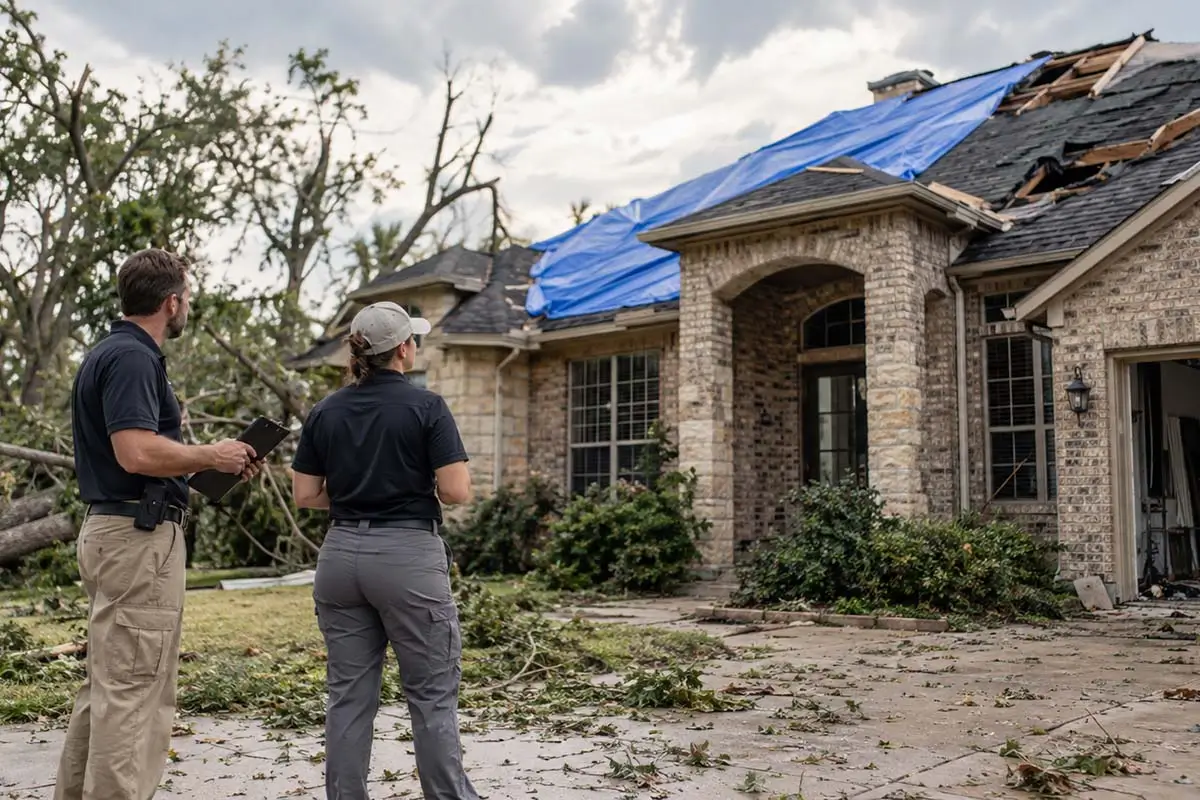
Restoration and mitigation services are rarely planned purchases. Calls are triggered by emergencies such as water damage, fire, mold, or storm events, often when homeowners or property managers are under pressure and emotional stress.
Buyers act fast, but they are highly selective. They look for immediate availability, insurance experience, clear credentials, and reassurance that the company can handle the situation correctly the first time. Marketing that focuses only on lead volume without addressing trust and urgency often attracts the wrong calls.
Effective digital marketing for restoration and mitigation companies requires:
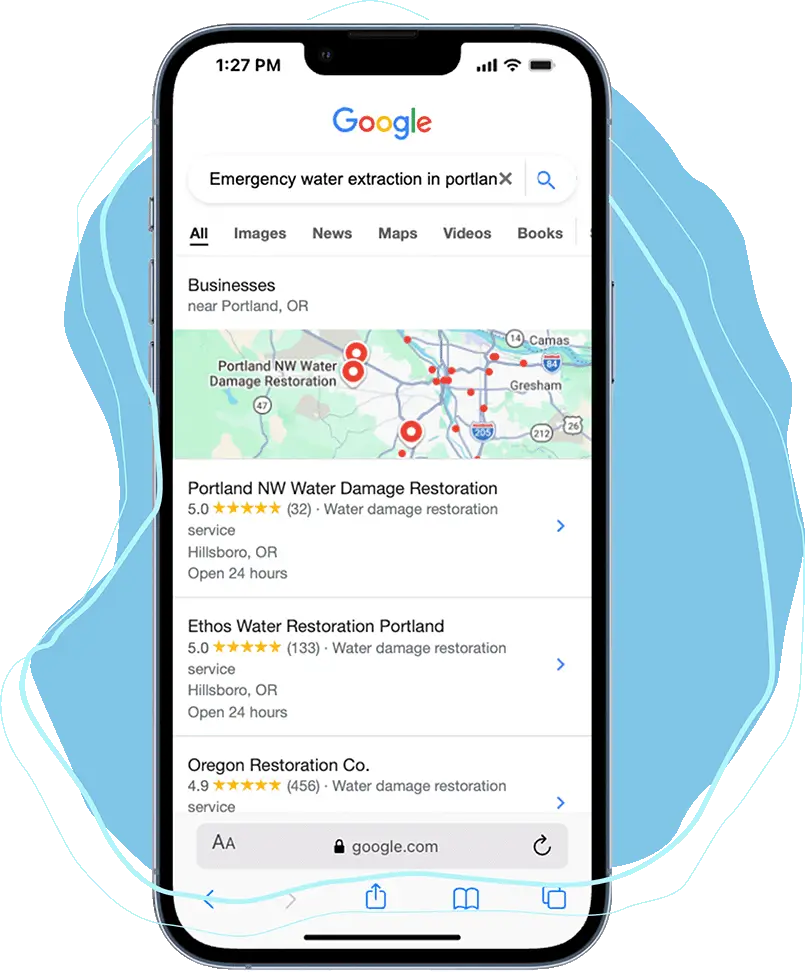
How Restoration Customers Search When Damage Happens
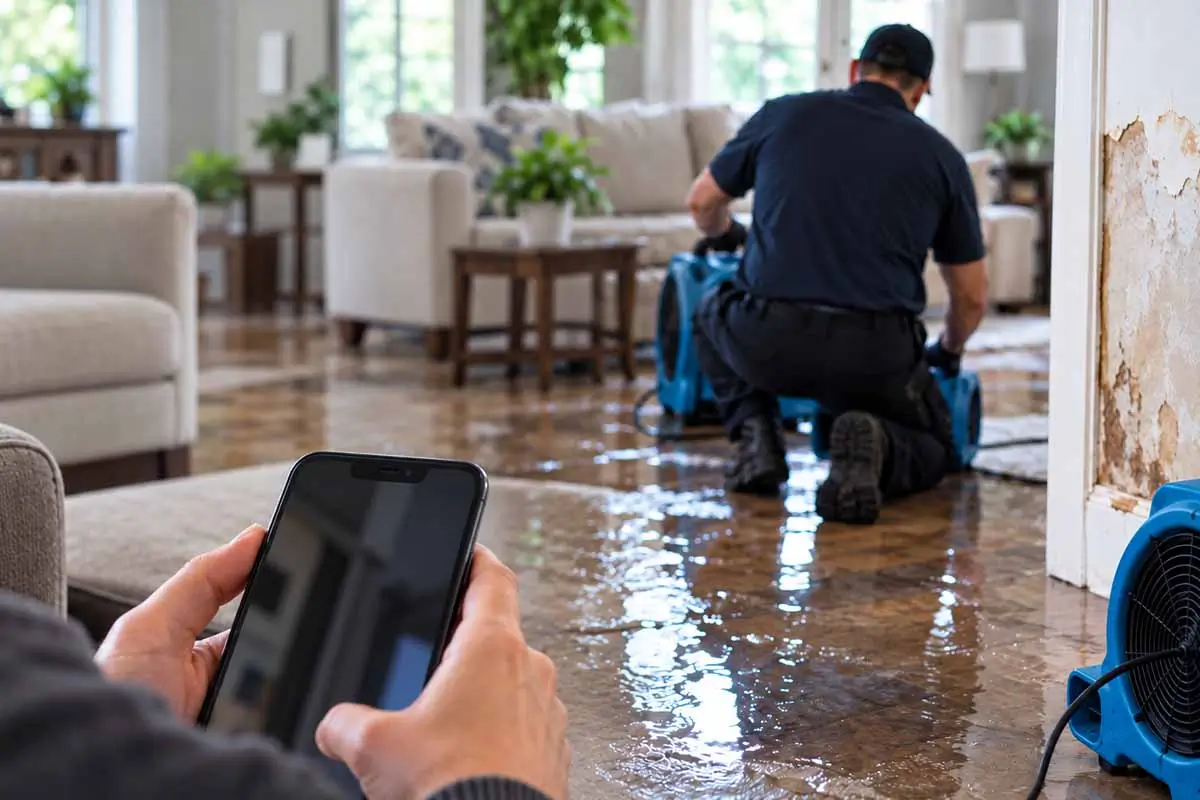
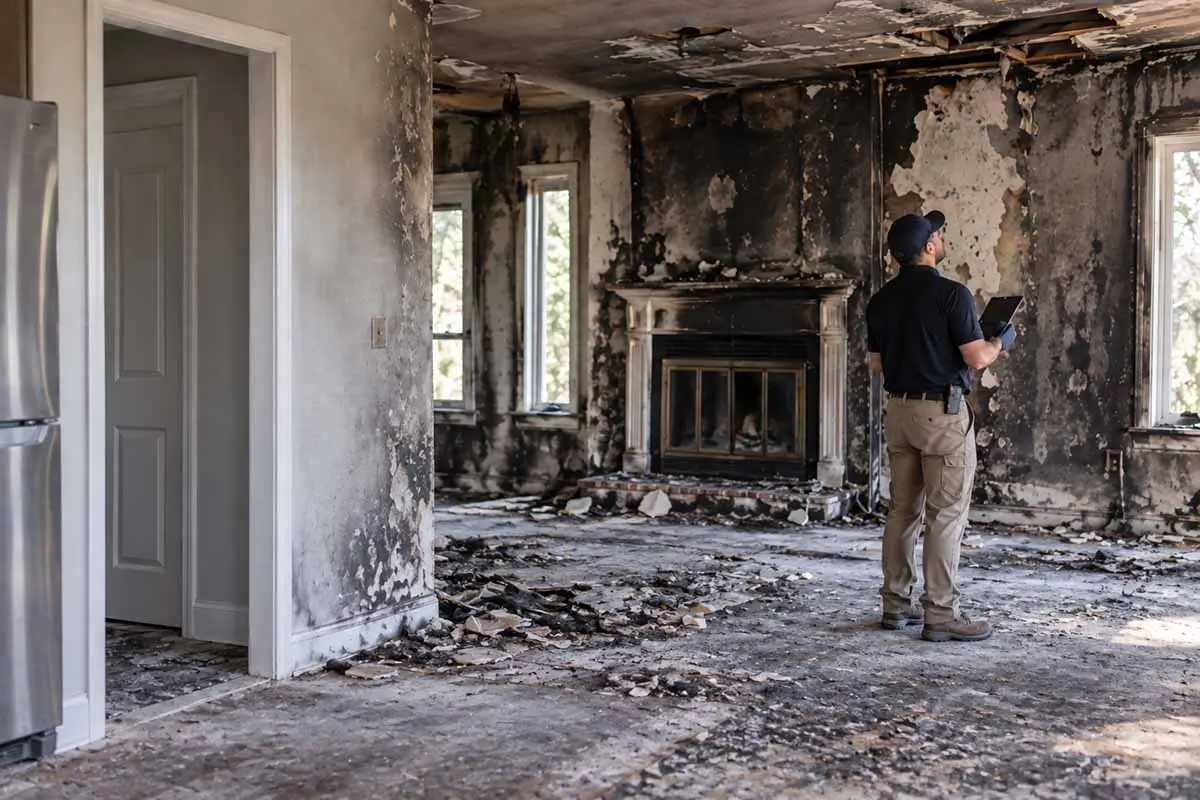
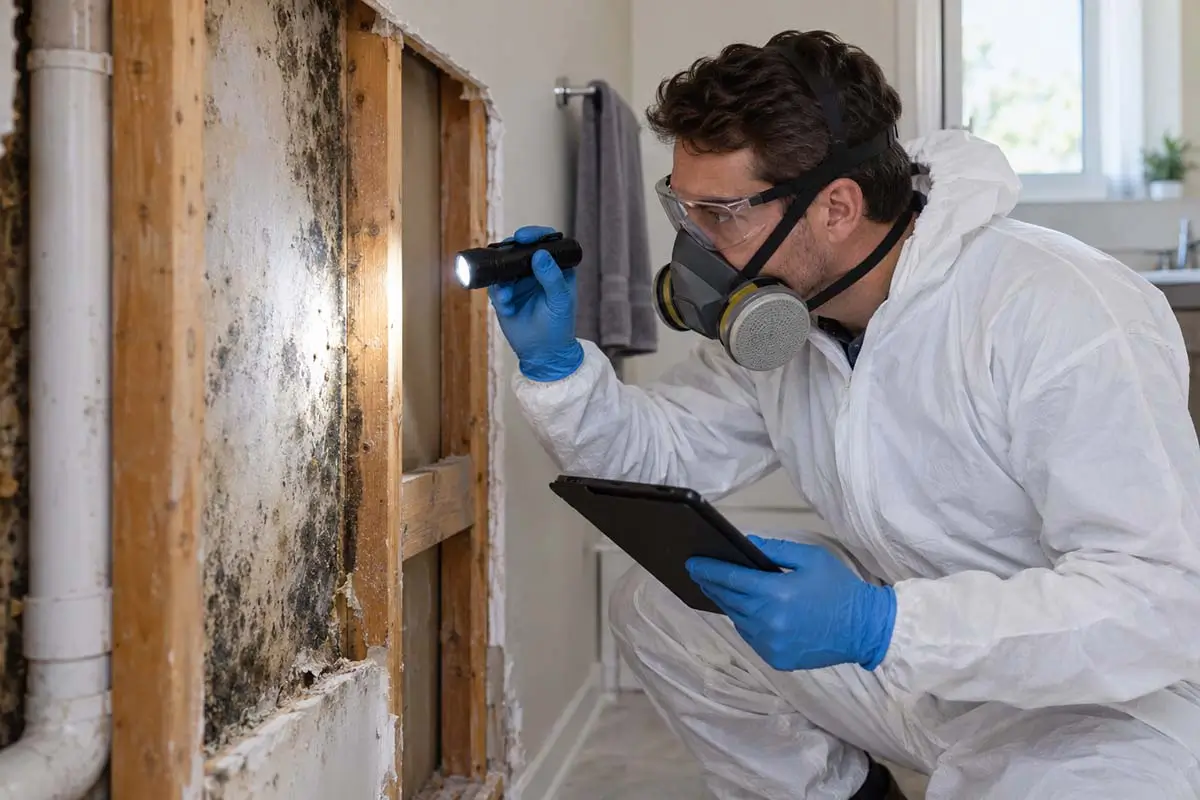
Understanding how buyers search by damage type is central to building a marketing strategy for restoration contractors that actually performs under real conditions. Each type of loss event produces distinct search behavior, urgency level, and buyer expectation.
A single campaign approach that treats water damage, fire damage, mold remediation, and storm events the same way will consistently underperform across at least some of those categories.
Industry Certifications
IICRC (Institute of Inspection, Cleaning and Restoration Certification) certification is the standard that buyers, adjusters, and insurance carriers recognize as a baseline indicator of professional competency. Restoration companies with visible IICRC credentials signal trained technicians, documented processes, and accountability. Companies that hold these credentials but fail to show them in their marketing leave buyers with unresolved doubt that a competitor with a clearer credibility profile will resolve first.
Experience Handling Insurance Claims
Buyers navigating a loss event are simultaneously managing an insurance claim. Restoration contractors who demonstrate fluency in the claims process, through their messaging, their intake procedures, and their website content, reduce the perceived complexity of engaging their services. Buyers are not just choosing a restoration company; they are choosing a partner who will help them navigate a stressful administrative process at the worst possible time.
Local Presence and Established Reputation
Established local reputation carries significant weight in markets where buyers can verify reviews, confirm a physical presence, and check that a company has an actual history in the area. National franchise brands and storm-chasing crews both compete in local restoration markets, but established local contractors with documented reputations consistently attract higher-confidence buyers who are willing to invest in quality and follow-through. Marketing that makes local presence and reputation visible early in the buyer’s evaluation process is what separates restoration companies that grow steadily from those that produce inconsistent results even when demand is high.
Our Approach to Digital Marketing for Restoration and Mitigation Companies
We do not start by pushing tactics. We start by identifying where trust or speed breaks down.
Many restoration companies come to us after investing in ads, lead services, or storm campaigns that generate calls but poor outcomes. The issue is rarely demand. It is usually misalignment between urgency, credibility, and conversion.
Our approach focuses on three core areas, applied in the right order.
Visibility During Emergency Search Moments
Mitigation buyers search when damage has already occurred. We ensure your company is visible where homeowners, property managers, and adjusters look first, including local search and authority signals that immediately establish legitimacy.
Being present is not enough. Restoration visibility must communicate readiness and professionalism at first glance.
Attracting Qualified Jobs
Not every emergency call is a good fit. We focus on attracting buyers who are prepared to act responsibly, involve insurance correctly, and follow professional remediation processes. An unqualified or adversarial caller consumes technician time without producing revenue.
Messaging and targeting are designed to reduce unqualified or price-only calls while supporting serious conversations with decision-ready prospects who understand the scope and process of professional mitigation work.
Turning Urgent Searches Into Booked Jobs
Restoration buyers need clarity immediately. We optimize websites, messaging, and tracking to remove friction, answer urgent questions, and reinforce confidence in your process so buyers commit to your team rather than continuing to search under pressure.
Together, these elements create a system where mitigation marketing supports growth without relying on chaos or volume alone.
A Marketing System Built for Restoration and Mitigation Companies
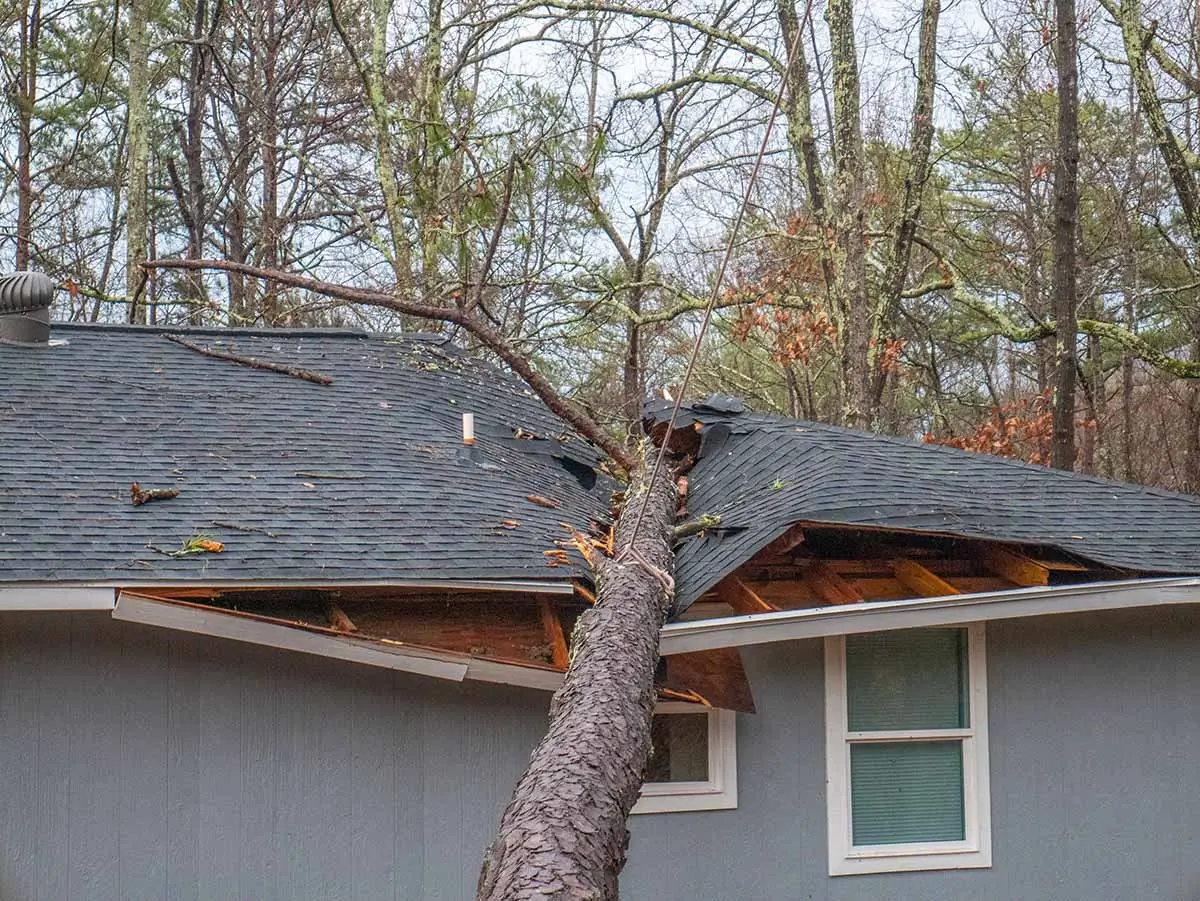
Many mitigation companies try to solve growth by increasing ad spend during storm seasons or emergencies. Demand spikes, but results suffer when credibility, clarity, and conversion are not already in place before that traffic arrives.
In competitive restoration markets, results improve when:
Our role is to identify what must come first, what can be scaled later, and where effort produces reliable outcomes instead of short-lived surges.
Where Restoration Marketing Fits Within Home Services
Restoration and mitigation are part of the broader home services category, but urgency, insurance involvement, and risk perception make this niche fundamentally different from most other trades. The buyer evaluating a restoration company is operating at a level of stress and urgency that almost no other home service category matches, and the marketing system has to be designed around that reality from the ground up.
You can explore our broader approach to digital marketing for home service businesses to see how restoration fits into the larger system.
Ready to Improve Your Restoration and Mitigation Marketing?
If you operate in an emergency-driven market and want clarity on what to fix first, the best next step is a focused conversation.
You will speak directly with a strategist, not a salesperson, and leave with a prioritized view of what is costing you leads right now and what should be addressed first. Most conversations take around 20 minutes and end with a clear action plan.
Best for established restoration and mitigation companies ready to invest in growth.